
The Psychological Power of Chess: Teaching Children How to Lose with Grace and Win with Humility
Nov 18, 2026 • By White Knight Chess Academy
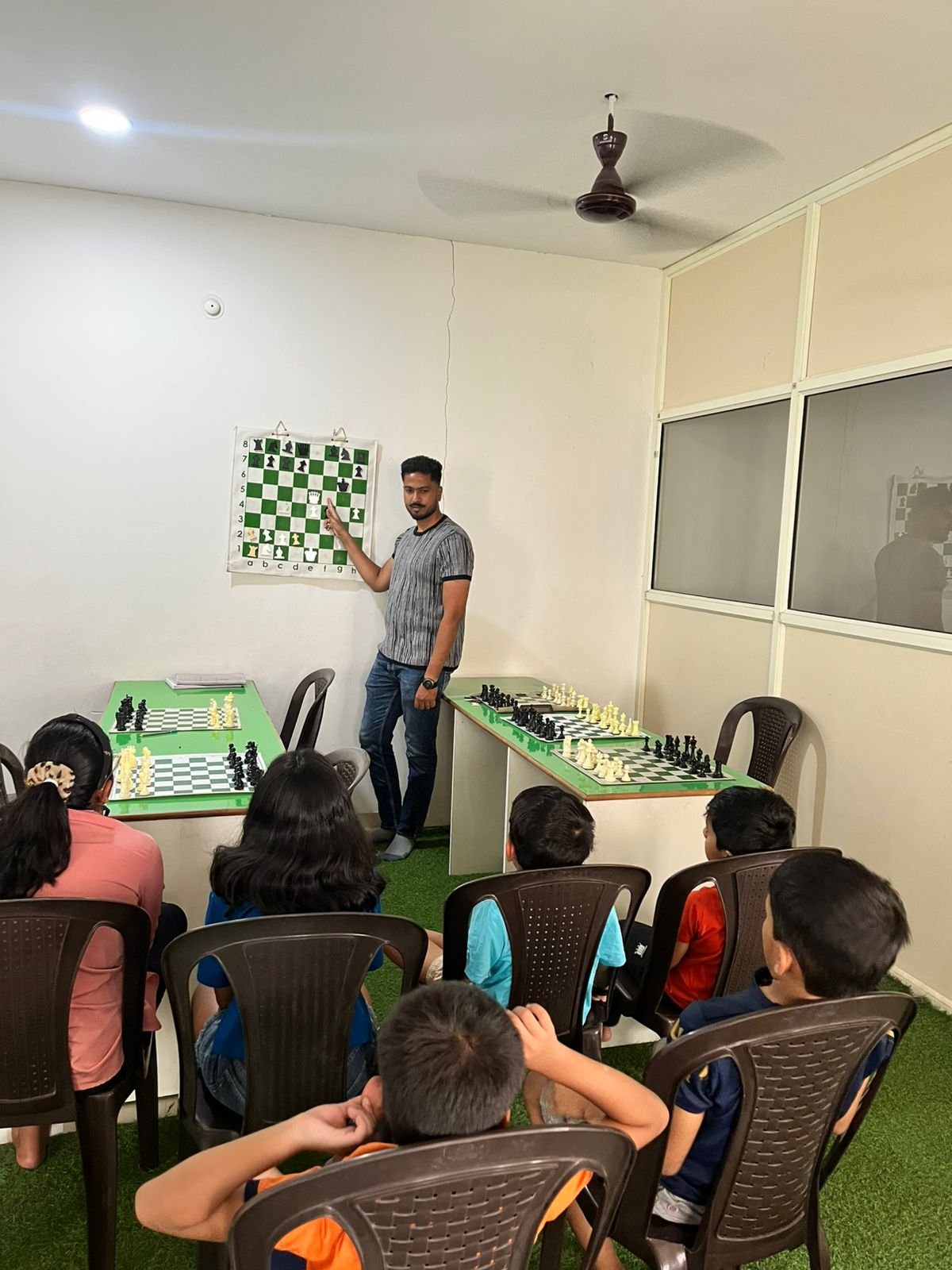
Every weekend at our Hadapsar academy, the scene is remarkably similar. Two children sit across a wooden board, intensely focused on a position. Suddenly, a King is knocked over. One child beams with triumph, while the other fights back tears, staring incredulously at the board.
As parents and coaches, we often rush in to fix the hurt. We want to tell our children that everything is fine and that winning does not matter. But in the world of competitive youth sports, telling a child that winning is irrelevant misses the entire point of the exercise.
At White Knight Chess Academy (WKCA), we view the 64 squares as a magnificent emotional gymnasium. As the premier chess training center serving families across Hadapsar, Magarpatta, Amanora, Kharadi, and Keshav Nagar, we have taught over 1,500+ students how to navigate the turbulent waters of competition.
Today, we want to share how chess fosters emotional resilience in kids sports, turning raw heartbreak into lifelong mental fortitude.
The Unique Psychological Intensity of Chess
Unlike team sports where a mistake can be masked by a teammate, chess is intensely personal. When a child loses a game, there is no one else to blame. It is just them, their decisions, and the cold reality of the clock.
This absolute accountability is precisely why chess is so effective at building sportsmanship for children. When a child plays soccer or cricket, they can blame the referee, the pitch, or a dropped catch. In chess, every move is owned entirely by the player.
Why the Board Feels Like Life
For a 7-year-old or a 12-year-old, a chess tournament game feels like life or death. Their heart rates spike, their palms sweat, and their breathing shallowly accelerates.
This physiological response prepares them for high-stakes environments later in life. By confronting stress early on a safe, controlled board, children learn how to master their biology.
- Heart-rate awareness: Children learn to notice when panic is setting in.
- Time management stress: Managing the chess clock builds real-time crisis management.
- Visualizing consequences: Weighing the risk of a move curbs impulsive, emotional reactions.
Mastering Emotional Regulation Under Clock Pressure
One of the most terrifying moments for a young chess player is seeing the digital clock tick down to its final seconds. Time trouble induces panic, erratic moves, and often, emotional meltdowns.
At WKCA, our FIDE-rated coaches specifically train students in psychological composure. We run timed sparring sessions where kids must make decisions with less than 30 seconds remaining.
Through these drills, children learn that panic is a luxury they cannot afford. They discover that emotional regulation under clock pressure is a skill that can be practiced just like a tactical opening. When the mind stays calm, the hand moves with precision.
Analyzing Losses Without Tears
The tears that flow after a tough loss are entirely natural. However, letting those tears define the post-game experience stops a child from growing.
As 6-time Pune District Champions, we at WKCA have seen brilliant prodigies stall because they were terrified of making mistakes. We actively teach children a crucial paradigm shift: moving away from "I lost" toward "I learned."
The Post-Mortem Culture at WKCA
In chess terminology, analyzing a game after it finishes is called a "post-mortem." We have built a supportive coach debriefing culture at WKCA to make this process constructive rather than punitive.
- De-escalation: We give the child 10 minutes to breathe, drink water, and calm down before looking at the board again.
- Objective curiosity: We treat the blunder not as a moral failure, but as an interesting tactical puzzle.
- Empowerment: The child writes down the critical mistake in their personal chess journal to ensure it never happens again.
This analytical approach strips away the shame of losing. Instead of feeling like a failure, the child feels like an investigator solving a mystery.
Winning with Grace and Humility
While handling loss is difficult, winning gracefully is an equally vital social skill. Arrogance after a victory alienates peers and stunts personal development.
When a child checkmates an opponent, their natural instinct is to gloat. At our Hadapsar and surrounding area facilities, we instill a deep respect for the opponent.
We teach our students that handling loss in chess and winning with humility go hand in hand. A true master respects the person sitting across the board, recognizing that today’s opponent provided the puzzle that allowed them to shine.
- Always shake hands before and after the game.
- Never mock an opponent's blunder or time scramble.
- Acknowledge when your opponent played a brilliant tactical line.
Building Mental Toughness That Transcends the Board
The ultimate goal of youth sports is not to produce grandmasters, though we certainly aim for that! The true goal is to build building mental toughness that spills over into academics, arts, and everyday life.
Parents from Magarpatta City and Amanora Park Town frequently tell us how calm their children have become during school examinations. Why? Because a child who has survived a 3-hour classical chess match can easily handle a math test.
They have learned that a single setback does not ruin the entire game. They know how to pivot, recalibrate, and fight back from a worse position—a skill known in psychology as grit.
Frequently Asked Questions
Q: At what age can my child start learning chess at WKCA?
A: We welcome children starting from 4 years of age. Our beginner programs use playful, story-based methodologies to introduce pieces while naturally cultivating focus and emotional control.
Q: How do WKCA coaches handle children who cry after every loss?
A: Tears are treated with immense empathy, never judgment. Our FIDE-rated coaches gently guide the child away from the emotional weight of the result and focus their attention on the interesting tactical lessons hidden within the game.
Q: Do chess tournaments cause too much anxiety for young kids?
A: Healthy competition builds resilience. While initial nervousness is normal, our supportive academy environment ensures children view tournaments as exciting learning adventures rather than high-stakes judgment zones.
Q: How can I enroll my child in WKCA's programs near Hadapsar or Kharadi?
A: You can easily book an assessment and trial class by visiting our official website at wkca64.com or visiting our state-of-the-art academy facility in Hadapsar, Pune.
Ready to Build Your Child's Resilience?
Chess is a mirror reflecting how a child handles life's inevitable setbacks. By teaching them to look at defeat as data and victory as a shared experience, we prepare them to face the world with unshakable confidence.
Give your child the gift of emotional strength, strategic thinking, and lifelong sportsmanship. Join the community trusted by hundreds of parents across Hadapsar, Magarpatta, Amanora, Kharadi, and Keshav Nagar.
Book your child’s trial class today at wkca64.com and take the first step on their journey to mastery with White Knight Chess Academy.
Book a Free Trial Chess Class
Want structured, FIDE-rated coaching for your child in Hadapsar, Pune or online? Join a free trial session at White Knight Chess Academy.
Book Free Trial Class