
Tactics vs. Strategy: How to Teach Young Children to Think Two Moves Ahead
Nov 12, 2026 • By White Knight Chess Academy
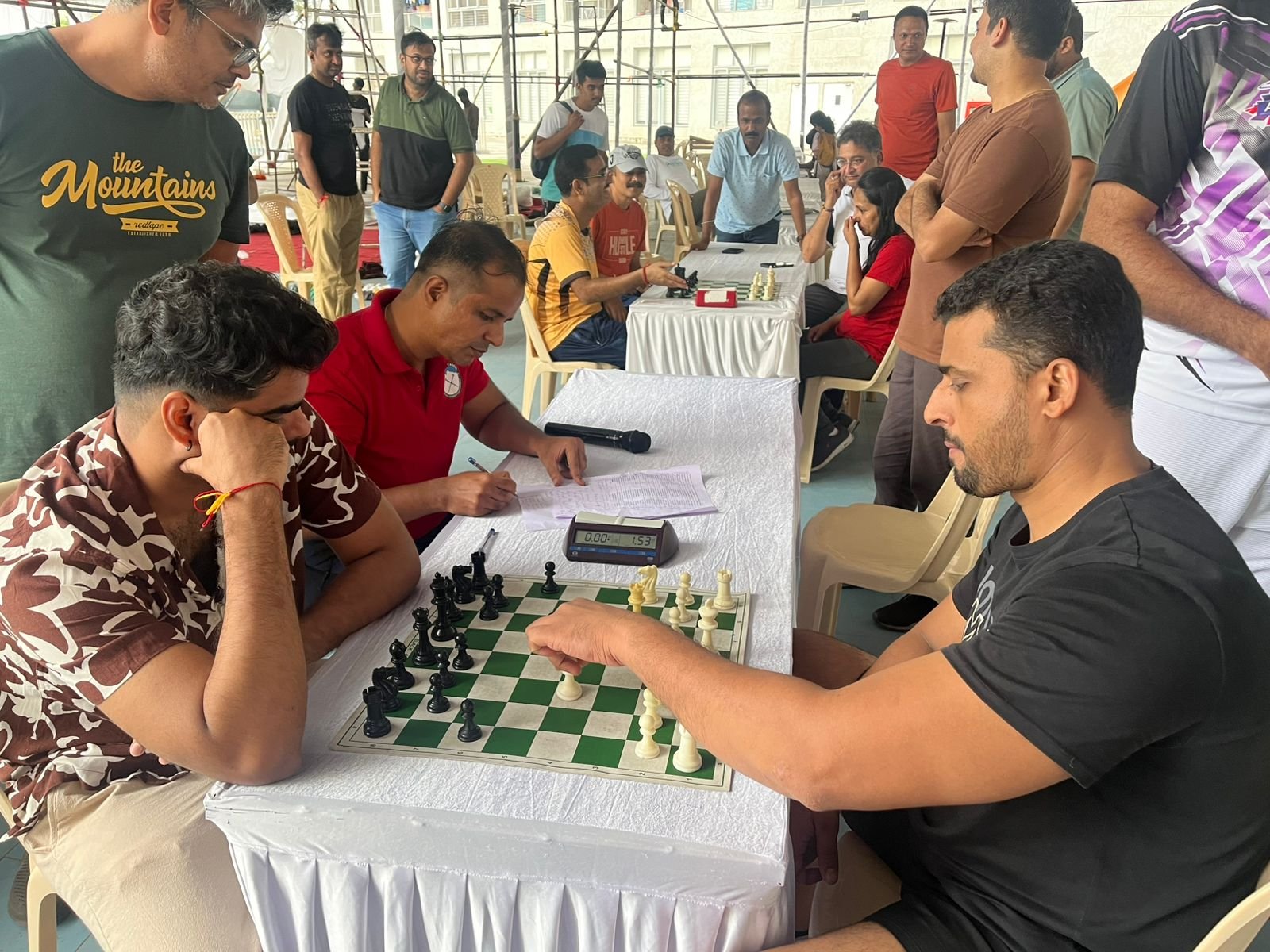
Every Saturday morning at White Knight Chess Academy in Hadapsar, Pune, a familiar scene plays out. Seven-year-old Aarav stares intensely at the board, his hand hovering nervously over his knight. He spots an unprotected rook across the board, flashes a triumphant smile, and aggressively captures it. Two seconds later, his opponent's bishop quietly swoops in and captures his queen. Aarav blinks back tears, whispering, "I didn't see that coming."
If this scenario sounds familiar, you are not alone. As parents and coaches, we have all watched young beginners fall in love with the instant gratification of capturing pieces, only to walk straight into an obvious trap. Teaching children how to transition from impulsive, single-move reactions to deliberate planning is one of the greatest challenges in youth chess education.
At WKCA, having trained over 1,500+ students across neighborhoods like Magarpatta, Amanora, Kharadi, and Keshav Nagar, we know that young minds learn best through structured play and vivid imagery. As the 6-time Pune District Champions, our FIDE-rated coaches specialize in breaking down complex concepts into bite-sized lessons that children genuinely enjoy. Today, we are sharing our proven blueprint on how to teach children chess tactics for kids, helping them calculate, visualize, and think two moves ahead.
Understanding the Battle: Tactics vs. Strategy
Before young players can master long-term planning, they must understand the fundamental difference between the two pillars of chess. Think of a chess game as a complex road trip.
Tactics are the sudden turns, traffic lights, and potholes that happen right in front of you. They are short-term, sharp sequences of moves that usually lead to an immediate material gain, a checkmate, or a material rescue. Chess tactics for kids are exciting because they involve immediate action and dramatic board changes.
Strategy, on the other hand, is the overarching map and destination of your journey. It involves long-term goals like controlling the center, improving poorly placed pieces, and creating a solid pawn structure. Strategy does not yield immediate rewards; instead, it slowly tightens the noose around the opponent over ten to fifteen moves.
- Tactics are about the *here and now* (What happens in the next 1 to 2 moves?).
- Strategy is about the *future* (What do I want the board to look like in 10 moves?).
Children naturally gravitate toward tactics because their brains are wired for immediate feedback. Our job as parents and coaches is not to suppress this tactical hunger, but to channel it into disciplined calculation.
The Holy Trinity of Beginner Tactics: Forks, Pins, and Skewers
To build a strong foundation, kids do not need to memorize hundreds of opening variations. They need to master basic motif recognition. When children learn forks and pins for kids, the chessboard transforms from a chaotic battlefield into a puzzle book waiting to be solved.
1. The Fork: The Double Trouble
A fork occurs when a single piece—often a knight or a pawn—attacks two or more enemy pieces simultaneously. Because the opponent can only save one piece, the other is captured.
Young learners love the knight fork because the knight can jump over other pieces, creating sneaky threats. We teach kids to look at the center of the board and ask: *"Can my knight jump to a square where it attacks both the king and the queen?"*
2. The Pin: Locking Down the Enemy
A pin is a tactic where an attacking piece targets an enemy piece, but that piece cannot move because doing so would expose a more valuable piece (usually the king or queen) behind it.
There are two types of pins: absolute pins (against the king) and relative pins (against the queen or rooks). Teaching children how to pin opposing pieces helps them understand how to freeze an opponent's army and restrict their movement.
3. The Skewer: The Reverse Pin
A skewer is essentially a reverse pin. You attack a high-value piece (like a queen or king), forcing it to move out of the way. Once it flees, your attacking piece captures the less valuable piece sitting directly behind it.
- Use physical color-coded flashcards with daily tactical puzzles.
- Reward children when they spot a fork or pin during friendly matches at home.
- Keep tactical sessions short—no longer than 15 to 20 minutes for kids under 8 years old.
How to Teach Kids to Calculate Two Moves Ahead
The biggest hurdle for beginners is impulse control. Most children see a capture, make it instantly, and only calculate *after* touching the piece. To master how to calculate in chess, kids must learn the golden rule of visualization: *Stop, Pause, and Play the Movie in Your Mind.*
The "If-Then" Game
Start teaching calculation away from the chessboard using a simple verbal game. Say, *"If I move my bishop to c4, then what is your best reply?"*
Force your child to look at the board without touching any pieces. They must verbalize the opponent's most dangerous defensive response before they are allowed to make their own move. This builds mental discipline.
The Stop-Think-Check Routine
At White Knight Chess Academy in Hadapsar, we train our students to recite a mental checklist before every single turn:
1. What is my opponent's last threat? (Did they attack my piece? Are they threatening checkmate?)
2. What are my candidate moves? (Name at least 2 or 3 possible good moves).
3. What will happen in reply? (Visualize the opponent's counter-move for each candidate).
4. Is this move safe? (Double-check that you aren't walking into a hanging piece).
By slowing down the decision-making process, children transform impulsive guesses into calculated tactical strikes.
Fun Interactive Drills for Home and Academy
Learning chess should feel like playing a video game, not sitting through a lecture. Here are some of our favorite interactive drills that you can practice with your child at home in Pune:
- The Pawn Elimination Race: Clear the board except for the kings and a set of pawns. Race to see who can promote a pawn first while capturing opponent pieces along the way. This teaches long-term structural strategy and calculation.
- The Blindfold Spot Check: Point to a random square on the board (e.g., e4) and ask your child to name its color and which pieces can attack it in two moves. This dramatically improves spatial awareness and visualization.
- Tactical Scavenger Hunts: Give your child a puzzle book or use a chess app, and challenge them to find 5 forks in under three minutes. Timed mini-drills build urgency and focus.
Balancing Tactics with Beginner Chess Strategy
While tactics win games, beginner chess strategy builds character and long-term mastery. Once children understand basic tactics, introduce them to three golden rules of strategic play to keep their games balanced:
- Control the Center: Teach kids that the central squares (e4, d4, e5, d5) are high-value real estate. Pieces placed in the center have maximum mobility, while pieces on the edge of the board are like players stuck on the bench.
- Develop Minor Pieces Early: Remind children not to bring their queen out on move two. Instead, bring out knights and bishops first, getting all pieces off the back rank before launching an attack.
- Castle Early for Safety: A king left stranded in the middle of the board is an easy target for tactical strikes. Teach children to tuck their king safely away behind a wall of pawns within the first 7 to 10 moves.
When strategy provides a safe framework, tactical opportunities naturally begin to appear all over the board.
---
Frequently Asked Questions
At what age can children start learning chess tactics like forks and pins?
Children as young as 5 to 6 years old can easily grasp basic forks and pins if taught through visual storytelling and interactive games. At White Knight Chess Academy, our early childhood batches use custom analogies to make these concepts stick instantly.
Why does my child keep missing simple tactical threats?
Missing threats is completely normal for beginners because their working memory is still developing. They tend to focus exclusively on their own attacking plans while ignoring what the opponent is doing. Practicing the Stop-Think-Check routine daily will drastically reduce these blind spots.
How much time should my child spend practicing calculation daily?
Consistency beats intensity. Just 15 minutes a day of solving tactical puzzles is far more effective than a grueling two-hour session once a week. Make it part of their daily evening routine after school.
How can I enroll my child in WKCA classes in Pune?
Getting started is easy! You can visit our website at wkca64.com to explore our structured batches, or drop by our academy in Hadapsar. We also welcome students from nearby areas like Magarpatta, Amanora, Kharadi, and Keshav Nagar.
---
Ready to Turn Your Child Into a Tactical Master?
Chess is so much more than just a board game—it is a powerful tool for developing patience, problem-solving skills, spatial visualization, and unshakable confidence. Whether your child is picking up a rook for the very first time or preparing for competitive district tournaments, expert guidance makes all the difference.
Join the champions at White Knight Chess Academy. Let our FIDE-rated coaches guide your child on a journey from basic beginner moves to brilliant tactical combinations.
Book a trial class today at wkca64.com and watch your child think two moves ahead—both on the chessboard and in life!
Book a Free Trial Chess Class
Want structured, FIDE-rated coaching for your child in Hadapsar, Pune or online? Join a free trial session at White Knight Chess Academy.
Book Free Trial Class