
Endgames Made Easy: Fundamental Checkmates Every Young Player Must Know
Oct 30, 2026 • By White Knight Chess Academy
Why Endgames Matter: The Secret Weapon of Young Champions
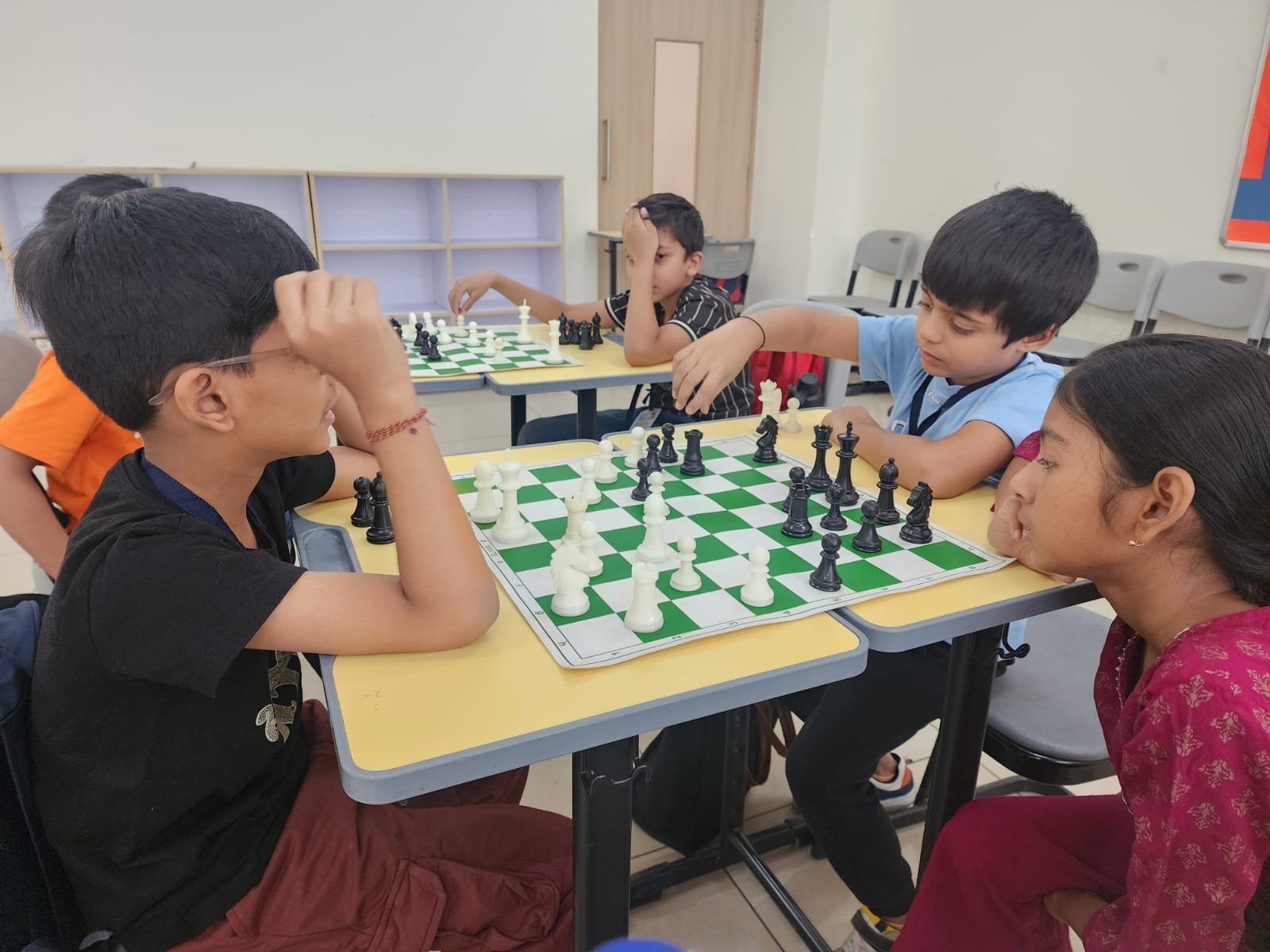
Picture this scenario at our White Knight Chess Academy (WKCA) training center in Hadapsar, Pune: Your child has outplayed their opponent all afternoon. They won a knight, captured a bishop, and built a massive material advantage.
Yet, as the clock ticks down, the opponent’s king starts darting across the board. Suddenly, frustration sets in, pieces start wandering aimlessly, and a brilliant, winning position dissolves into a disappointing stalemate.
Does this scene sound familiar to parents in Magarpatta and Amanora? It is one of the most common heartbreak stories in youth chess.
Too many children spend hours memorizing flashy opening traps while completely neglecting the final phase of the game. But a sparkling opening means nothing if your young player does not know how to deliver the final blow.
Mastering basic chess endgames for kids is the ultimate shortcut to winning more tournament trophies. When the board clears and the minor pieces disappear, pure calculation, technique, and geometry take over.
At WKCA—proudly recognized as the 6-time Pune District Champions—we always tell our students that champions are forged in the endgame. With guidance from our FIDE-rated coaches, who have successfully trained over 1,500+ students, kids learn to transition from a winning mid-game to a decisive checkmate with absolute confidence.
Let us explore the fundamental checkmates every young player must master before entering their next competitive tournament.
---
The Ladder Mate: Two Rooks, Zero Mercy
For beginners stepping into our training halls from Kharadi or Keshav Nagar, the ladder checkmate is usually the very first mating pattern they learn. It is visually intuitive, highly effective, and deeply satisfying to execute.
This method uses two rooks to systematically walk the enemy king up the board, rank by rank, exactly like climbing a ladder. One rook cuts off the escape route while the other delivers the checks.
How to Execute the Ladder Mate
- Step 1: Use your first rook to draw a line, preventing the enemy king from crossing over to the center.
- Step 2: Bring your second rook up to the next rank to deliver a check against the trapped king.
- Step 3: Force the opposing king to retreat to the edge of the board step-by-step.
- Step 4: Deliver the final checkmate on the back rank, protected securely by your second rook.
Young players love this pattern because it is practically foolproof once the geometry clicks. It teaches kids the vital concept of board restriction and teamwork between major pieces.
Practice makes permanent, which is why our coaches incorporate specialized chess endgame drills into every weekly batch at WKCA.
---
The Queen and King Checkmate: Power Meets Precision
Possessing a Queen against a lone King is an overwhelming material advantage. Yet, we frequently witness young students accidentally giving stalemate because they lack a systematic plan.
The secret to this endgame is controlling your immense power. You must herd the enemy king toward the edge of the board using a technique known as the "Box" method.
The Box Technique Explained
Instead of rushing in wildly with your Queen and risking a stalemate, imagine drawing an invisible box around the enemy king. With each turn, you shrink that box, forcing the opposing monarch closer and closer to the perimeter.
- Keep your King close: Your Queen cannot deliver checkmate entirely on her own; she desperately needs her King's backup.
- Watch out for stalemate: Always double-check that the enemy king has at least one legal square to move to *unless* the move results in a direct checkmate.
- Deliver the kiss of death: Once the enemy king is pinned to the edge, bring your King within supporting distance and slide your Queen in for the final checkmate.
Precision beats panic every single time. By slowing down and trusting the process, kids turn winning positions into guaranteed victories.
---
The Single Rook Checkmate: Patience is a Virtue
If the Queen and King mate requires power, the King and single Rook mate requires immense patience and discipline. This is often the first hurdle that separates casual players from serious tournament competitors.
Because a single Rook cannot overpower an enemy King without assistance, this endgame relies entirely on a cooperative dance between your King and your Rook.
Mastering the Box and Opposition
To win this endgame, young players must master two core concepts: cutting off the king and utilizing king opposition.
- Cut off the escape: Use your Rook to build a wall that the enemy King cannot cross.
- Bring up the monarch: March your own King forward to support the Rook and restrict the enemy movement.
- Force the opposition: Face the enemy King directly, forcing them to step backward toward the edge of the board.
It may take up to 15 to 20 moves to close the net, which tests a young player's mental stamina. This is precisely why chess is celebrated as a tool for building focus and academic discipline.
---
WKCA Practice Exercises: Training Like Grandmasters
At White Knight Chess Academy, we do not just lecture kids about theory; we put them through rigorous, gamified practice routines.
Our proprietary chess endgame drills are designed to build muscle memory and tactical intuition. Here is a glimpse of how our students train at our Hadapsar facility:
- The 30-Second Drill: Students are timed while delivering a ladder mate against a computer or training partner to build rapid calculation skills under pressure.
- Stalemate Avoidance Puzzles: Coaches deliberately set up tricky board states where a careless Queen move leads to a draw, teaching kids acute attention to detail.
- Blindfolded Endgames: Advanced students practice calculating basic checkmates in their heads without looking at the board, sharpening visualization.
Whether your child is prepping for state championships or just learning the ropes, our structured curriculum ensures steady, measurable progress.
---
Frequently Asked Questions
What age is best for kids to start learning chess endgames?
Children as young as 5 to 6 years old can start learning basic checkmates once they understand how the pieces move. At WKCA, we introduce fundamental mating patterns playfully and interactively to keep young minds engaged.
Why does my child keep accidentally causing a stalemate?
Stalemate happens when a player whose turn it is to move has no legal moves, but their king is *not* in check. This usually occurs when children attack too aggressively with Queens or Rooks without leaving the enemy king a legal square. Slowing down and double-checking legal moves solves this issue.
How long does it take to master basic chess endgames for kids?
With consistent weekly practice and guided coaching, most kids grasp the ladder mate and Queen mate within 4 to 6 weeks. Mastering the single Rook mate and King-Pawn endgames takes a few months of dedicated tactical drills.
Where can my child take professional chess classes in Hadapsar, Pune?
White Knight Chess Academy (WKCA), located conveniently in Hadapsar, Pune, offers professional training led by FIDE-rated coaches. We serve families from Hadapsar, Magarpatta, Amanora, Kharadi, and Keshav Nagar with customized batches for all skill levels.
---
Master the Endgame and Claim Your Victory!
Endgame mastery is the ultimate divider between average players and tournament champions. By teaching your child the ladder mate, the Queen and King mate, and the single Rook mate, you are equipping them with lifelong skills in patience, strategy, and precision.
Are you ready to watch your child outthink, outmaneuver, and outlast their opponents?
Visit wkca64.com today to book a free trial class at White Knight Chess Academy in Hadapsar, Pune. Let our expert FIDE-rated coaches guide your young champion toward a brighter, sharper future!
Book a Free Trial Chess Class
Want structured, FIDE-rated coaching for your child in Hadapsar, Pune or online? Join a free trial session at White Knight Chess Academy.
Book Free Trial Class